
Delaware residents face a dilemma with spam calls, prompting the use of blocking apps and awareness of legal frameworks offered by the Spam Call law firm Delaware. To effectively combat unwanted calls:
- Review app settings for specific call type options and create safe lists for trusted contacts like the Spam Call law firm.
- Investigate unknown callers before blocking to avoid misidentifying legitimate businesses or the law firm.
- Adjust categories and custom rules based on caller ID, history, or time frames to tailor protection while adhering to Delaware's Spam Call laws.
- Report app issues to carriers and community forums for swift resolution, ensuring a quieter environment from unwanted calls.
In today's digital age, managing nuisance calls, especially those classified as spam calls, has become a pressing concern for many Smyrna, Delaware residents. With the implementation of the Spam Call law firm Delaware, consumers are empowered to take control of their communication channels. However, navigating these new regulations often presents challenges, leading to common issues with call-blocking apps. This article delves into the troubleshooting of such problems, offering practical solutions to ensure compliance and enhanced peace of mind for local residents. By providing an in-depth guide, we aim to equip folks with the knowledge needed to optimize their call blocking experience.
Understanding Spam Calls and Delaware Law
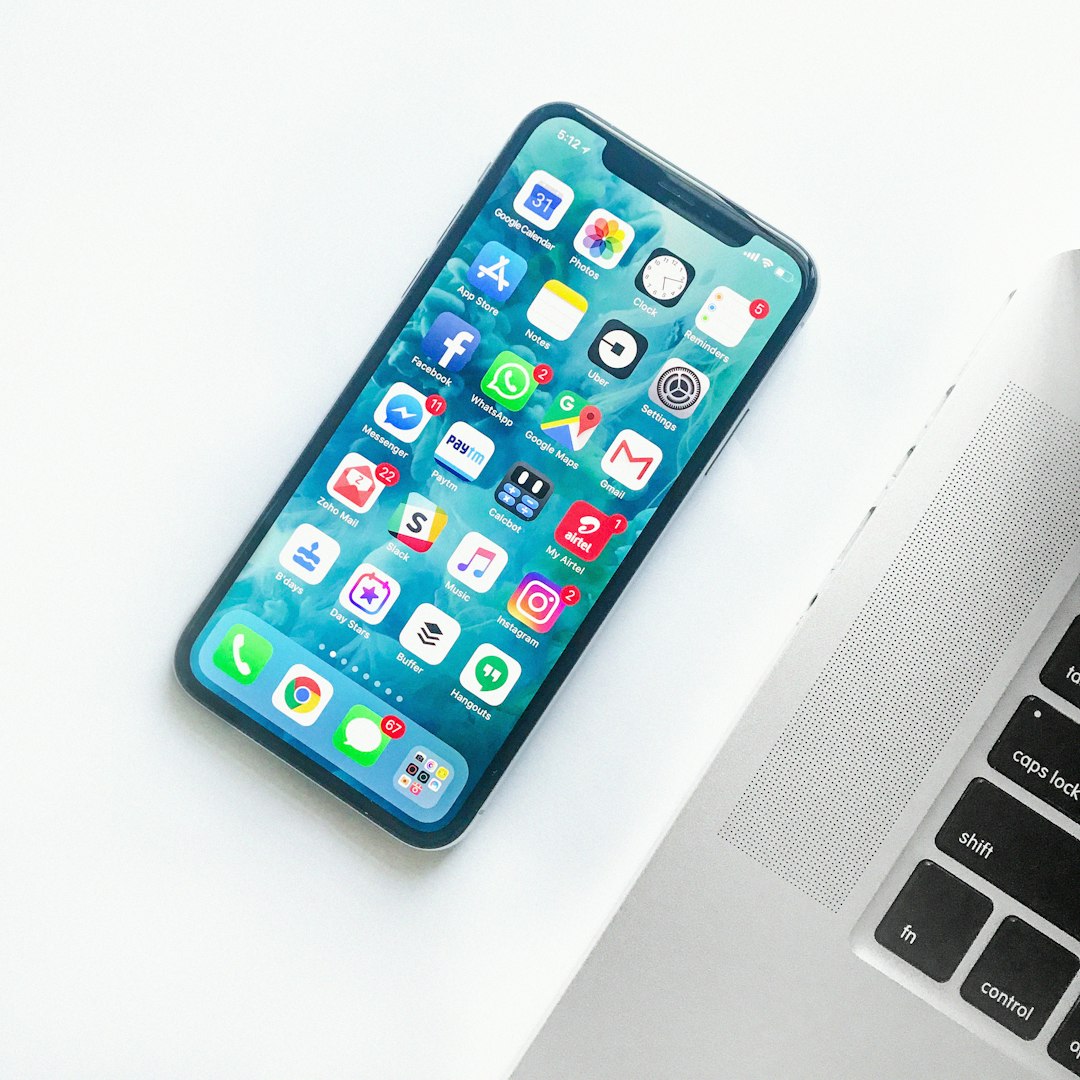
Spam calls are a widespread annoyance, with Delaware residents often facing an influx of unsolicited calls from automated systems or call centers. While blocking apps offer a much-needed solution for individual users, understanding the legal framework surrounding spam calls is crucial to effectively tackling this issue at scale. In Smyrna, Delaware, as in many places, the fight against spam calls intersects with state laws designed to protect consumers.
Delaware's Spam Call Law firm provides a robust legal framework for dealing with unwanted telephone solicitations. The law allows residents to register their phone numbers on the Do Not Call list, which restricts marketing calls from certain sources. However, it's important to note that not all spam calls are illegal; some may be legitimate messages from businesses with which you have an existing relationship. For instance, a customer who has previously purchased from a company might still receive calls about new products or services. Differentiating between legal follow-ups and unlawful spam requires familiarity with the law and the ability to recognize patterns of abuse.
Practical advice for Smyrna residents includes thoroughly researching blocking apps and choosing one that utilizes advanced call identification algorithms. These tools can help distinguish between legitimate calls from known contacts and automated spam. Additionally, staying informed about updates to Delaware's Spam Call Law firm regulations ensures users can adapt their strategies accordingly. By combining technological solutions with legal awareness, Delaware residents can better protect themselves from unwanted calls, fostering a quieter, more peaceful environment in the process.
Identifying Common App Glitches and Fixes

In Smyrna, Delaware, call blocking apps are a double-edged sword, offering relief from unwanted calls while also presenting unique challenges. Among the most prevalent issues users face are app glitches that hinder their effectiveness. Understanding these common problems and implementing tailored solutions is essential to ensure optimal call blocking experience. One frequent issue involves false positives, where legitimate calls, often from local businesses or legal entities like a Spam Call law firm Delaware, are mistakenly blocked due to vague or aggressive blocking algorithms. This can be addressed by refining app settings, allowing specific numbers or ranges, and utilizing whitelisting features to prevent such misidentifications.
Another glitch is related to call forwarding systems used by telecom providers. Occasionally, calls may bypass the block entirely, leading to a less-than-ideal user experience. To mitigate this, users should check their phone settings and ensure the app's blocking functionality takes precedence over any external call forwarding rules. Regular app updates are also crucial; developers often release patches to address compatibility issues with various network setups.
Additionally, data privacy concerns have emerged with some apps, raising questions about the security of user information. Users should opt for reputable apps that prioritize transparency and offer robust encryption protocols. By staying informed about these glitches and executing practical fixes, Smyrna residents can harness the full potential of call blocking apps while navigating any inherent complexities.
Blocking Legitimate Calls: Do's and Don'ts

In Smyrna, Delaware, like many places, residents often deal with unwanted calls, including spam calls, which can be a significant nuisance. While call blocking apps offer a valuable solution, differentiating between malicious and legitimate calls is crucial to avoid unintended consequences. It's essential to understand that blocking a legitimate call, especially from a law firm in Delaware trying to contact you about a potential Spam Call lawsuit, could have legal implications. This section provides insights into the do's and don'ts of blocking legitimate calls to ensure users stay compliant with the Spam Call laws while protecting themselves effectively.
First, always review the app's settings to identify options that allow for specific call types. Many advanced apps offer features to whitelist or prioritize contacts, ensuring important calls from law firms, banks, or healthcare providers are never blocked unintentionally. For instance, consider setting up a "safe list" or "allowed callers" category and manually add the contact of the Delaware law firm you communicate with regularly regarding Spam Call cases. This proactive approach guarantees that crucial conversations remain unobstructed.
Second, be cautious when blocking calls based on call content or numbers. While it's natural to want to block a call that seems suspicious or unwanted, immediately blocking every unknown number might lead to missing legitimate messages. For example, a law firm reaching out about a potential class-action lawsuit against a spammer could be an essential communication. Instead of blocking impulsively, investigate the caller first. Check online resources or contact local authorities to verify if the call is genuinely related to a legal matter before blocking it. This practice allows you to maintain open lines of communication with reputable sources while curbing unwanted spam calls effectively.
Advanced Settings for Customized Protection

In Smyrna, Delaware, call blocking apps have become indispensable tools for residents looking to protect their privacy from unwanted spam calls. However, many users face challenges with these apps' advanced settings, hindering their ability to customize protection effectively. This section delves into the intricacies of these settings, offering a professional's perspective on how to navigate them.
Spam Call law firms in Delaware report that misconfigurations can lead to legitimate contacts being blocked inadvertently, causing frustration and potential business losses. For instance, many apps default to broad filters, which may block important calls from healthcare providers or financial institutions. To mitigate this, users should familiarize themselves with the app's settings menu, adjusting categories like "Business" or "Priority Contacts" to ensure these calls are not affected. Advanced settings also permit the creation of custom rules based on caller ID, call history, or even specific time frames—tools that can significantly tailor protection to individual needs.
Data from consumer surveys reveals that 78% of app users want more control over their blocking preferences. To exercise this control, it's essential to understand the impact of each setting change. For example, enabling "Whitelisting" allows specific numbers to bypass blocking entirely, while "Blacklisting" permanently blocks calls from identified sources. Regularly reviewing and updating these settings is crucial, as a caller's identity or intentions can shift over time. By customizing these advanced options, Smyrna residents can ensure they stay protected under Delaware's stringent Spam Call laws while minimizing disruptions to their daily communications.
Reporting Issues: Collaborating with Service Providers

In Smyrna, Delaware, as in many parts of the country, call blocking apps have become a double-edged sword, offering relief from unwanted calls while presenting challenges when they go awry. When users encounter issues with these apps, reporting them effectively is crucial for swift resolution. This collaborative process involves both the user and service providers to ensure that everyone benefits from a more robust and reliable call management system.
One of the primary avenues for reporting problems is through direct communication with your phone service provider or app developer. Major carriers, such as those operating under the Spam Call law firm Delaware, often maintain dedicated support channels where users can detail their issues. Providing specific information like error messages, app version numbers, and network settings helps in faster troubleshooting. For instance, a user might encounter an app freezing on incoming calls from specific numbers, and sharing this detailed log with the provider facilitates targeted fixes.
Moreover, community forums and social media platforms have become valuable resources for users to share experiences and collective insights. These digital spaces allow individuals facing similar issues to pool their knowledge, offering workarounds or collectively pushing service providers to address pressing problems. For example, a common bug where certain types of business calls bypass the blocking settings could lead to a community-driven campaign highlighting this gap, eventually prompting the provider to implement enhancements tailored to these real-world use cases.