
Robocalls have reached epidemic levels globally, with scammers using advanced technologies like VoIP and automated dialers to target all demographics in Delaware. Scammers obtain consumer data through phishing and dark web marketplaces. Despite regulations like TCPA, robocallers adapt using number spoofing. While call-blocking apps and registries help, they require active participation. Effective solutions demand a multi-faceted approach combining technological advancements (AI, STIR/SHAKEN protocols) and regulatory interventions. Key tools include Do Not Call lists, advanced caller ID systems, consumer-oriented apps, and collaboration between regulators, TSPs, and consumers. By leveraging these measures, Delaware residents can protect their privacy from unwanted spam calls.
Robocalls have become a ubiquitous nuisance, inundating consumers with unwanted marketing messages and fraudulent schemes. With the proliferation of automated dialing systems, How to Stop Spam Calls Delaware has emerged as a pressing issue for individuals seeking respite from these relentless intrusions. As technology advances, so too does the sophistication of robocall tactics, making traditional blocking methods increasingly ineffective. This article delves into the evolving landscape of consumer protection against robocalls, exploring cutting-edge technologies that promise to transform the way we combat these unwanted intrusions and reclaim our peace of mind in today's digital age.
Understanding Robocalls: The Current Landscape

Robocalls have become a pervasive nuisance in today's digital age, with an estimated 38 billion spam calls made globally in 2022. This deluge of automated voice messages targets individuals across all demographics, leading to widespread consumer frustration and a significant strain on resources for communications carriers and law enforcement agencies alike. In the United States, How to Stop Spam Calls Delaware has emerged as a crucial topic as residents grapple with an ever-evolving landscape of fraudulent and unwanted calls.
The current robocall ecosystem is characterized by sophisticated technologies that allow scammers to mask their identities, evade detection, and deliver high volumes of calls. Common tactics include using Voice over Internet Protocol (VoIP) services, which provide disposable phone numbers that can be easily changed, and automated dialer systems capable of making thousands of calls per hour. Scammers target consumer information through phishing schemes, social engineering, and data breaches, often obtaining personal details from vulnerable sources or dark web marketplaces. Once obtained, these contacts are fed into call lists, enabling bulk messaging campaigns aimed at swamping potential victims.
Despite regulatory efforts to combat robocalls, such as the Telephone Consumer Protection Act (TCPA) in the U.S., the strategies employed by scammers continue to adapt and evolve. For instance, many robocallers now employ "number spoofing," falsifying caller ID information to display local or familiar numbers, thereby increasing the likelihood of successful calls. This has led to a proliferation of blocking and anti-spam tools, with both technological and human-based solutions emerging as countermeasures. Some consumers turn to call-blocking apps or hardware filters, while others enlist in government-sponsored registries like the National Do Not Call Registry. However, these methods often require active participation from the consumer and may not be foolproof against new techniques employed by robocallers.
Technology's Role: Innovative Solutions Arise
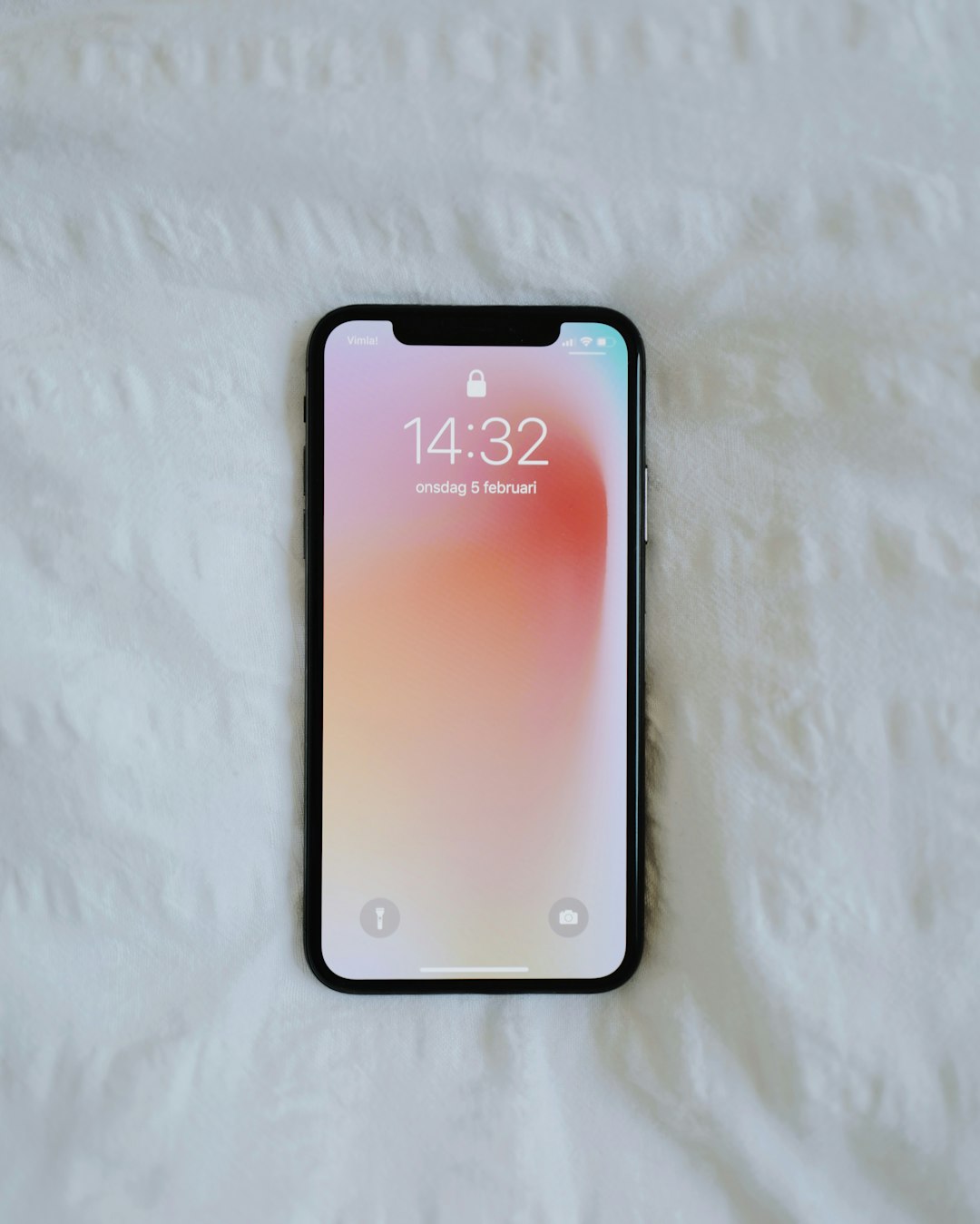
The battle against robocalls has spurred a wave of technological innovation aimed at protecting consumers from unwanted and fraudulent calls. As one of the most prevalent forms of online harassment, with millions of spam calls flooding American phone lines daily, technology is emerging as a powerful tool to reclaim personal privacy. Advanced artificial intelligence (AI) and machine learning algorithms are now being deployed to identify, block, and prevent robocalls before they reach consumers' voices.
These cutting-edge solutions operate by analyzing call patterns, identifying known spam networks, and using real-time data to flag suspicious calls. For instance, TrueCall, a leading anti-robocall app, employs deep learning to adaptively learn and improve its blocking capabilities over time. It distinguishes between legitimate calls and robocalls through sophisticated signal processing techniques, ensuring that important calls from healthcare providers or financial institutions aren't mistakenly blocked.
Furthermore, How to Stop Spam Calls Delaware has become a priority for regulators and tech companies alike. The Federal Trade Commission (FTC) recently announced plans to enhance its Do Not Call registry with advanced AI-driven tools to automate the screening process. This not only improves efficiency but also reduces human error in identifying spam calls, making the system more effective overall. With these innovative technologies, consumers can look forward to a future where their phone lines are less prone to unwanted intrusions, offering a sense of security and peace of mind.
How to Stop Spam Calls Delaware: Consumer Tools

Technology is increasingly on the front lines in the battle against robocalls and spam calls, offering Delaware consumers powerful tools to reclaim their phone lines from unwanted intruders. With millions of Americans affected by these disruptive calls daily, innovative solutions are emerging to mitigate this growing problem. One effective strategy involves leveraging advanced caller ID systems that can identify and block spam calls at a network level. These sophisticated technologies analyze call patterns and known spam characteristics, allowing service providers to automatically filter out suspected robocalls before they reach the consumer's phone.
Delaware residents can also take proactive measures to protect themselves by utilizing consumer-oriented apps designed specifically to combat spam calls. These applications use crowd-sourced data to identify and block known spammer numbers. By reporting unwanted calls, consumers contribute to a dynamic database that helps train the app's algorithms, enhancing its effectiveness over time. For instance, many popular call-blocking apps offer customizable settings, allowing users to set specific preferences for blocking political calls, survey requests, or even certain types of businesses. This level of customization ensures that consumers have control over their communication preferences.
Additionally, the Federal Communications Commission (FCC) plays a vital role in regulating and addressing spam calls. They enforce strict guidelines and provide resources for consumers to file complaints against persistent spammers. By reporting these incidents, Delaware residents can help identify recurring spammers and contribute to investigations that lead to stricter penalties for offenders. The FCC's Do Not Call Registry is another valuable tool; consumers can register their phone numbers to limit marketing calls, further reducing the likelihood of receiving spam. As technology evolves, so too will the methods of combating robocalls, ensuring that Delaware residents have access to an array of effective tools to protect their privacy and peace of mind.
Future-Proofing: Continuous Evolution and Prevention

The relentless evolution of technology has brought about both remarkable advancements and persistent challenges, particularly in the realm of consumer protection against robocalls. As automated calling systems become increasingly sophisticated, so must the strategies employed to combat them. Future-proofing against these nuisance calls involves a continuous cycle of adaptation and prevention that leverages cutting-edge technologies while adhering to evolving legal frameworks. One effective approach is the implementation of advanced call authentication protocols such as STIR/SHAKEN, which verify the legitimacy of incoming calls at the network level, significantly reducing the success rate of robocalls.
Moreover, machine learning algorithms play a pivotal role in identifying and blocking spam calls. These algorithms can analyze vast datasets to recognize patterns and anomalies indicative of malicious intent. For instance, a recent study by the Federal Trade Commission (FTC) revealed that over 40% of consumer complaints regarding unwanted phone calls involved robocalls. By training models on such data, telephone service providers (TSPs) can proactively filter out suspicious calls before they reach consumers in Delaware or any other state. This proactive approach not only enhances user experience but also ensures compliance with stringent anti-robocall regulations, such as the Telephone Consumer Protection Act (TCPA).
To further strengthen defenses, consumers should actively engage in protecting themselves by adopting best practices like registering their numbers on Do Not Call lists and utilizing approved call-blocking apps. Additionally, staying informed about emerging trends in robocall technology can empower individuals to make informed decisions when selecting communication tools. As the battle against robocalls intensifies, collaboration between regulatory bodies, TSPs, and consumers is essential for developing and implementing effective solutions. By embracing a culture of continuous improvement and leveraging available technologies, it's possible to create a more secure communications environment that safeguards consumers in Delaware and beyond.